How we build every system
Sovereign AI: private LLMs and computer vision on your infrastructure
- Models you own outright
- Data stays on your servers
- NDA before we see any data
Illustrative sample. The file name and figures stand in for a real handover.
your-model.safetensors
Your infrastructure
- Owner
- You, outright
- Licence
- Perpetual · no per-seat fees
- Runs on
- Your servers, VPC or edge
- Handed over
- Weights, code and runbooks
Three kinds of sovereignty
“Sovereign AI” means three different things
Teams use the term for ownership, for residency and for jurisdiction. They are separate decisions with separate costs, and a project usually needs a different answer for each.
Ownership
Who owns the model. A custom model you own outright has no per-seat licence and no vendor who can change the terms. This is true of every system in our case studies.Residency
Where inference runs. On your own servers, at the edge next to the camera, or inside your cloud account. We deploy to whichever your requirements call for, and it is decided per project.Jurisdiction
Which country's rules apply to the data. Localisation rules in the GCC, the EU, Southeast Asia and South Africa each set different limits on where data can be processed.
What teams run privately
The four things we are asked to build
Each one is the same idea applied to a different workload: an open model, running where your rules allow it, on data that never leaves.
- Private knowledge assistant
Private knowledge assistant
An internal assistant that answers from your own contracts, reports and manuals, and cites the passage each answer came from. - Private coding assistant
Private coding assistant
A coding assistant served on your own GPUs, retrieving from your repositories, for teams whose source code cannot leave the network. - Model fine-tuning
Open-weight fine-tuning
Adapting an open model to your domain, formats or language on your own infrastructure, so you keep the training data and the weights. - Data residency by region
Deployment under local rules
Architecting a pipeline that stays inside a jurisdiction, for teams working under data residency or localisation requirements.
Why sovereign AI
Some data can't be sent to a public AI API
Patient records, unreleased research, contracts and engineering drawings often come with legal, contractual or competitive limits on where they can be processed. A hosted chatbot is the wrong tool for that data.
In healthcare, for example, HIPAA and GDPR set strict rules for protected health information. Our guide to safety guardrails for LLMs in healthcare explains the controls these projects need, and our healthcare AI work shows where they apply.
Regulated data
Health, financial and personal data often has rules on where it is stored and who processes it.Proprietary knowledge
Research, pricing and internal reports are the IP your competitors would like to see.Offline sites
Secure facilities, hospitals and remote sites can't rely on an internet connection to a model provider.Per-seat lock-in
Hosted AI platforms charge per user and keep the model. Your workflow ends up on someone else's roadmap.
| Topic | Public AI API | Sovereign AI deployment |
|---|---|---|
| Where data goes | Prompts and documents are sent to a third-party service | Documents, prompts and answers stay inside your network |
| Internet dependency | No connection, no answers | Runs air-gapped; keeps working during outages |
| Model ownership | You rent access to someone else's model | You own the fine-tuned models, code and artifacts |
| Cost model | Per-seat or per-token fees that grow with use | Your own hardware or cloud account, no per-seat licenses |
| Audit trail | Limited to what the provider exposes | Every prompt, source and answer logged on your systems |
How it works
A private LLM that answers from your own documents
Most sovereign AI projects start with retrieval-augmented generation (RAG): an open model that reads your documents at question time and cites where each answer came from. Every stage runs on hardware you control.
Answered in 5.8s on local hardware
Try another question
- On your servers
- No external APIs
- Data stays in
Illustrative sample. File names and answers are fictional.
- Stage 1
Connect your document stores
PDFs, Word files, spreadsheets and reports are read from file shares and internal systems inside your network. New documents can be ingested daily.Clean text with source metadata - Stage 2
Chunk and embed on local GPUs
Documents are split into passages and turned into vectors by an embedding model on your own servers, then stored in a vector database that never leaves your environment.Private vector indexVector databaseLangChain - Stage 3
Retrieve the right passages
When someone asks a question, the most relevant passages are pulled from the index, so the model works from your documents instead of guessing from memory.Ranked source passages - Stage 4
Generate the answer on your hardware
A quantized open-weight model writes the answer from the retrieved passages and cites each source. Quantization cuts memory use so larger models fit on local GPUs.Answer with citationsMixtral 8x7B (46.7B MoE)8-bit quantization - Stage 5
Guardrails, access control and audit logs
Input and output filters block out-of-scope requests, access follows your identity rules, and every prompt, source and answer is logged for review.Auditable, policy-checked answersInput filtersOutput filtersAudit logs - Stage 6
Monitor and improve
Performance and logs are monitored for drift, and models are retrained or re-indexed as your documents change, without raw data leaving your environment.A system your team can run
Deployment options
Run AI where your data already lives
The right option depends on your regulations, latency needs and who will operate the system. Many teams mix them, for example training in a private cloud and running inference on-premises or at the edge.
Air-gapped on-premises
Models run on servers inside your facility with no internet connection. Nothing is sent to a third-party API, and inference keeps working when the outside network is unavailable.Good fit: Regulated data, secure facilities, hospitalsOn-prem vs cloud guidePrivate VPC
We deploy into your own AWS, GCP or Azure account. Your cloud team keeps control of networking, identity and keys; the model endpoints are never exposed publicly.Good fit: Teams already standardized on one cloudManaged private cloud
The same isolated environment inside your own cloud account, except we run it: monitoring, drift detection and retraining are handled by our managed services team instead of yours.Good fit: Teams without in-house MLOps capacityManaged AI servicesEdge devices
Computer vision models optimized with TensorRT for NVIDIA Jetson Orin and Xavier NX, built for offline-first operation, with secure over-the-air model updates.Good fit: Cameras, factory lines, remote sitesEdge deployment services
On-premises, cloud or both?
On-premises and edge deployments keep data on your local network and cut round-trips to a data center. Cloud is easier to scale for training and batch work. Hybrid setups often give you both.
- Keep inference close to sensitive data
- Use private cloud capacity for training and experiments
- Plan hardware, updates and monitoring before launch

Proof
Private AI we have already shipped
Case study · Atacana
PharmaBrain: a fully offline LLM over proprietary medical news
The constraint. Atacana needed a chatbot that could answer complex questions over thousands of proprietary medical news reports and drug discovery updates added every day. Cloud LLMs were ruled out for confidentiality, so the system had to run completely offline on local servers.
What we built. A RAG system on Mixtral 8x7B, a 46.7B-parameter mixture-of-experts model, with 8-bit quantization to cut memory use and processing time. LangChain orchestrates retrieval from a vector database that ingests new reports daily.
The result. Answers in 5 to 7 seconds on local hardware, with no data exposed to the public internet.
- Offline, on local servers
- 100%
- Parameter Mixtral MoE, 8-bit quantized
- 46.7B
- Typical response time
- 5–7s
“[Because of AxcelerateAI we] experienced favourable results in both precision and recall metrics, along with improved response times of the [LLM-based] system.”
Edge deployment
Computer vision that runs without the cloud
- YOLO models optimized with TensorRT on NVIDIA Jetson Orin, including up to 8 HD video streams on a single device
- Air-gapped deployments for hospitals and secure facilities, where sensitive data never leaves the firewall
- Offline-first design that keeps running through network outages, with secure over-the-air model updates

More private deployments
Models running on hardware our clients control
Detection on drones and phones, live camera and video streams, identity documents and medical images. Each one is a model the client owns, running where their rules require it.
 LogisticsPredictive Analytics
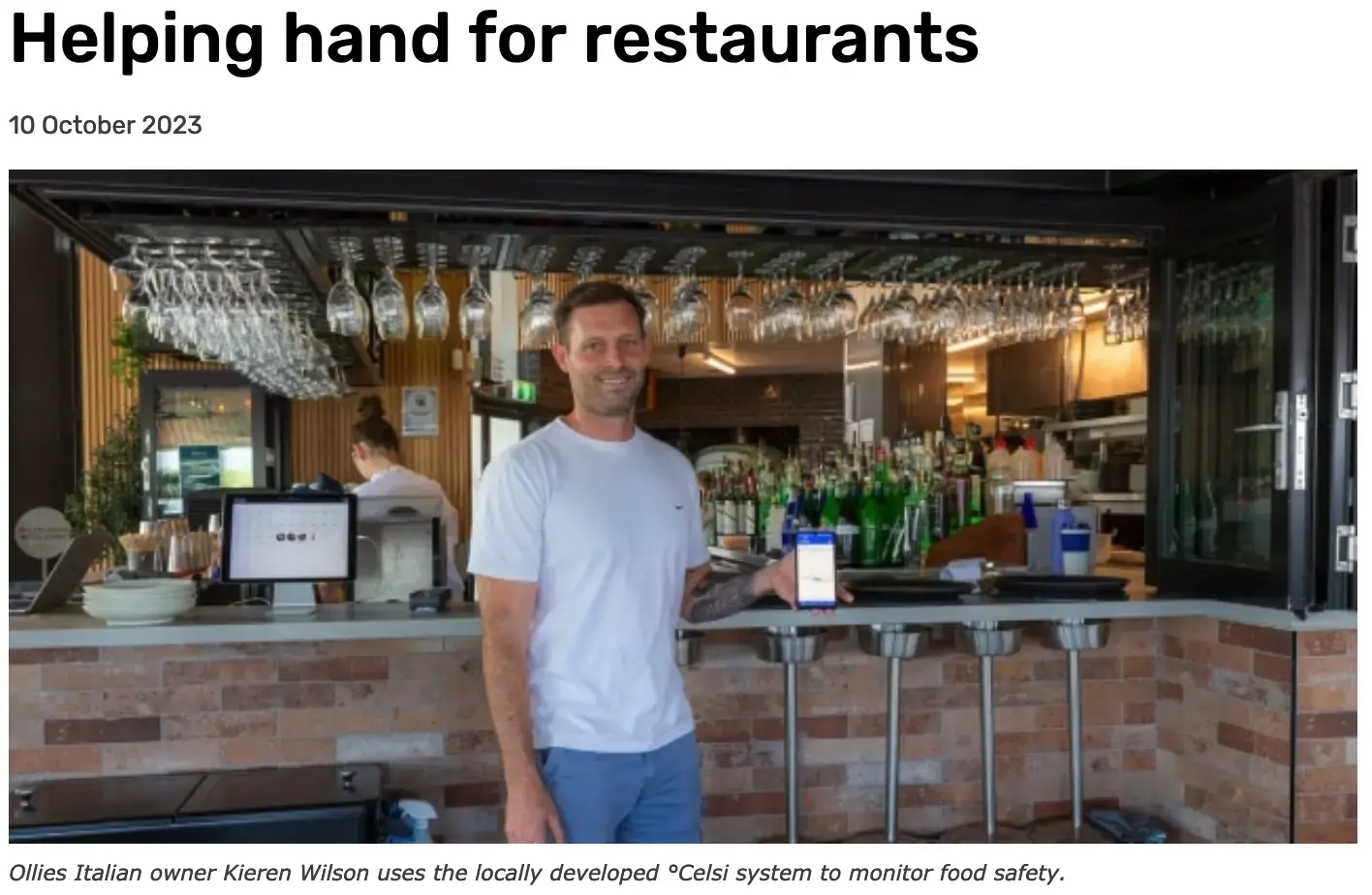
Smart Temperature Anomaly Detection
Monitoring and ensuring appropriate temperatures of stocks such as food items is critical. Variations in temperature can end up damaging the stock. Celsi, a company that provides smart temperature monitoring services, wanted a system for cold storage areas and refrigerators that could automatically raise alarms if the temperature is different than what it should be. This is called anomaly detection.
ML-based time series forecasting. Automated anomaly alerts. Reduced spoilage risks.
Read the case study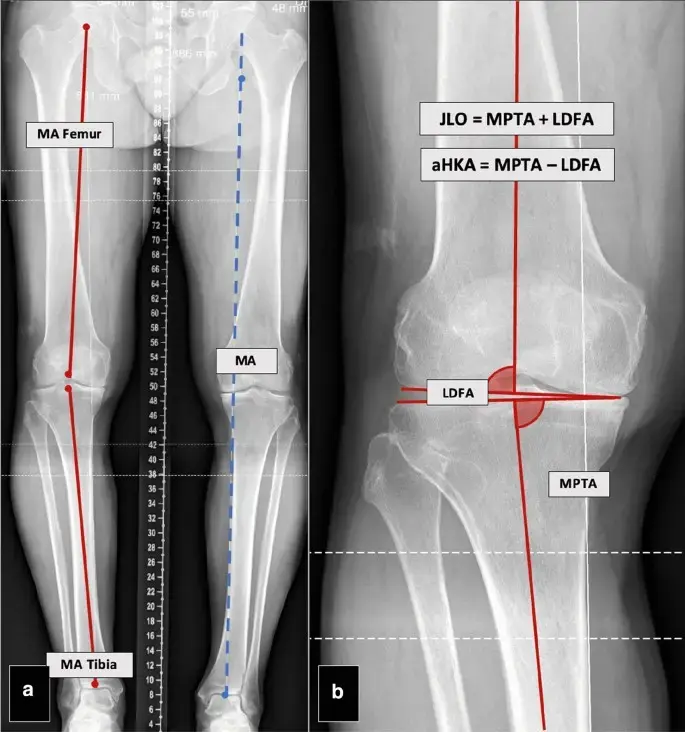 Health & FitnessComputer Vision
X-ray to 3D CT Reconstruction & Knee Alignment Analytics
Traditional CT scans are several times more expensive than X-rays, often delaying critical orthopedic diagnosis. Our client needed a system to reconstruct 3D CT-grade results from standard 2D X-rays to calculate precise bone alignment angles for surgical planning.
2D to 3D reconstruction. Automated angle calculation (CPAK, mHKAA). Enhanced with GANs.
Read the case study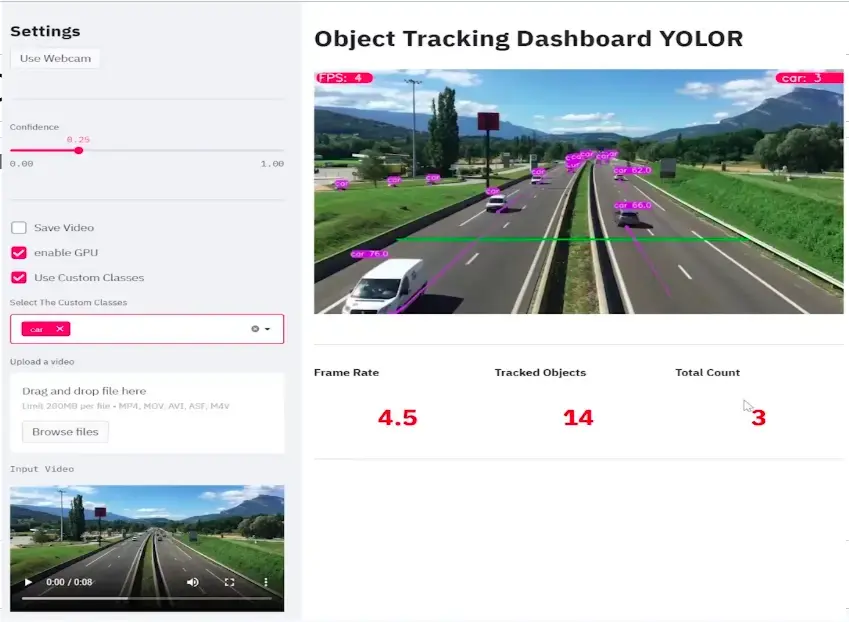 Open Source AI InfrastructureComputer Vision
AS-One: Unified Computer Vision Framework for Rapid AI Development
Augmented Startups wanted to simplify how developers experiment with modern computer vision models by unifying multiple detection and tracking frameworks into a single Python interface.
- GitHub stars on AS-One
- 580+
- Detector versions behind one API
- YOLOv5–v9
 Sports AI & Mobile Computer VisionComputer Vision
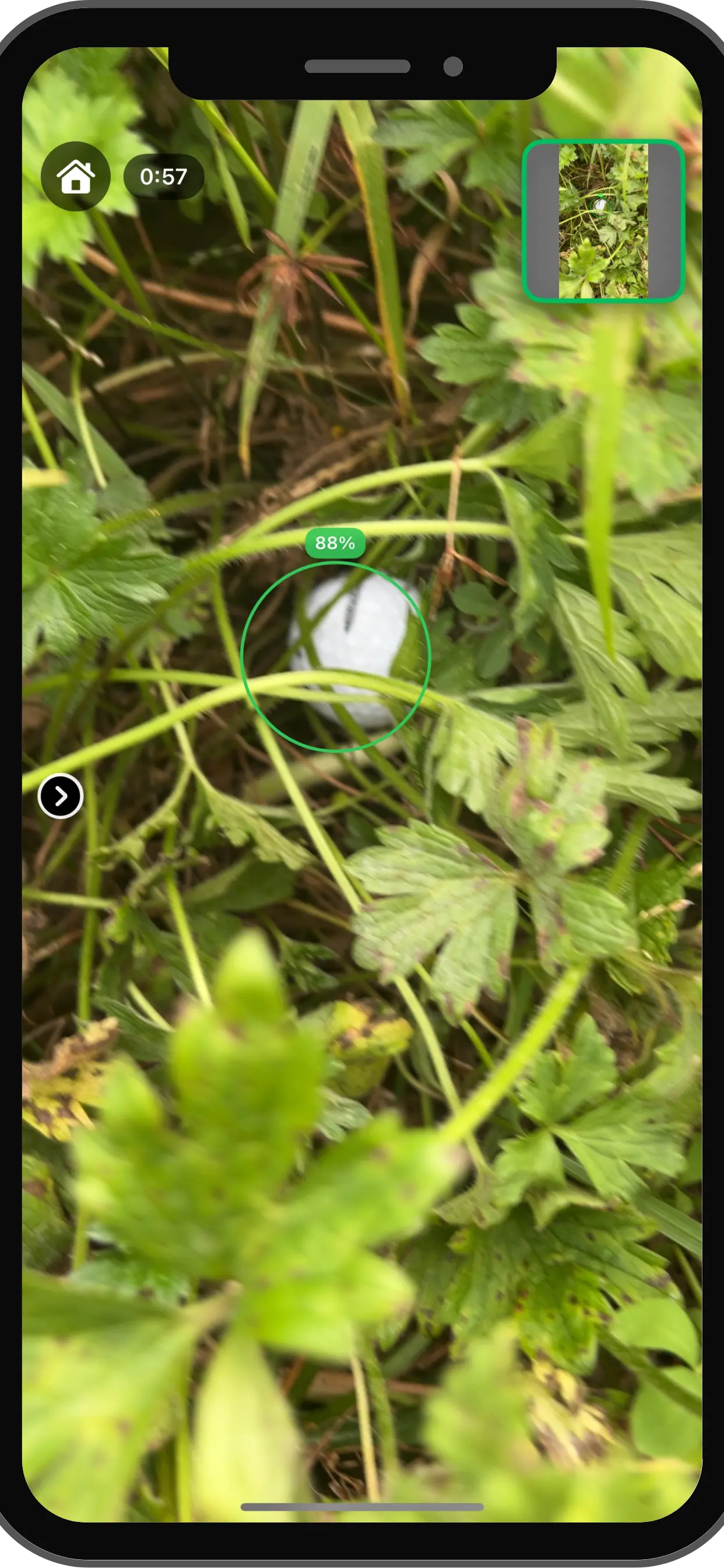
Find My Ball: Real-Time AI Golf Ball Detection on Mobile Devices
FMB wanted to build a mobile app that could automatically detect lost golf balls using the phone camera to help golfers quickly locate balls in challenging terrain.
- On-device inference time
- <30ms
- Detection recall
- 92%
 Identity Verification & KYC AutomationIntelligent Document Processing
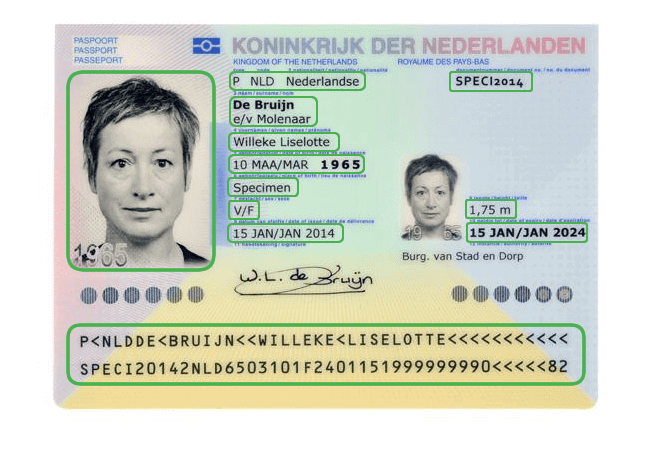
AI-Powered Passport Verification and Identity Matching
BMedia needed a fast, automated identity verification (KYC) system to replace slow manual passport checks and prevent fraud.
- Data extraction accuracy
- 98%
- End-to-end KYC verification
- <5s
 Wildlife AI & Streaming AnalyticsComputer Vision
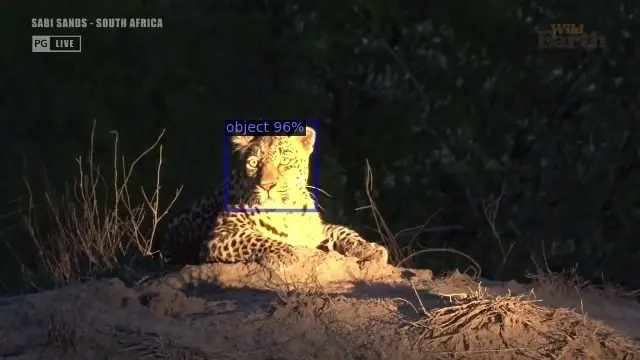
Real-Time Animal Identification in Live Safari Streams
WildEarth wanted to enhance viewer engagement by automatically identifying animals appearing in live safari broadcasts for an interactive viewer experience.
Real-time species identification. Interactive RTSP pipeline. Automated duplicate handling.
Read the case study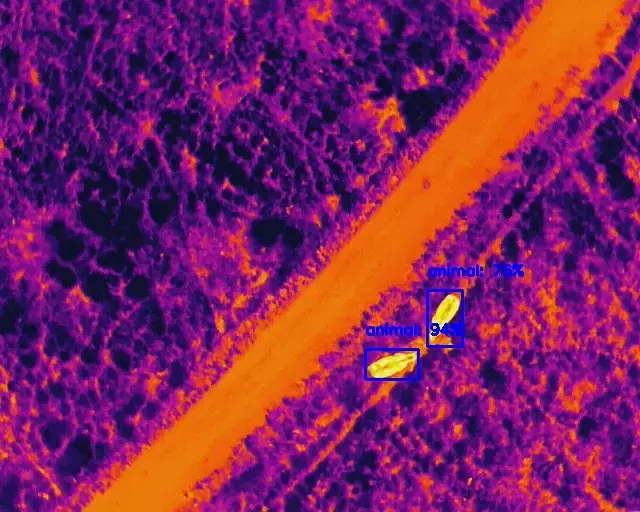 Drone Vision & Wildlife ProtectionComputer Vision
Drone-Based Wildlife Monitoring and Anti-Poaching System
Skaapwagter needed a surveillance system capable of detecting animals from drone footage to protect herds from poachers across large areas.
- Thermal detection accuracy at 100m
- 98%
- RGB species classification accuracy at 50m
- 92%
 Industrial Safety AIComputer Vision
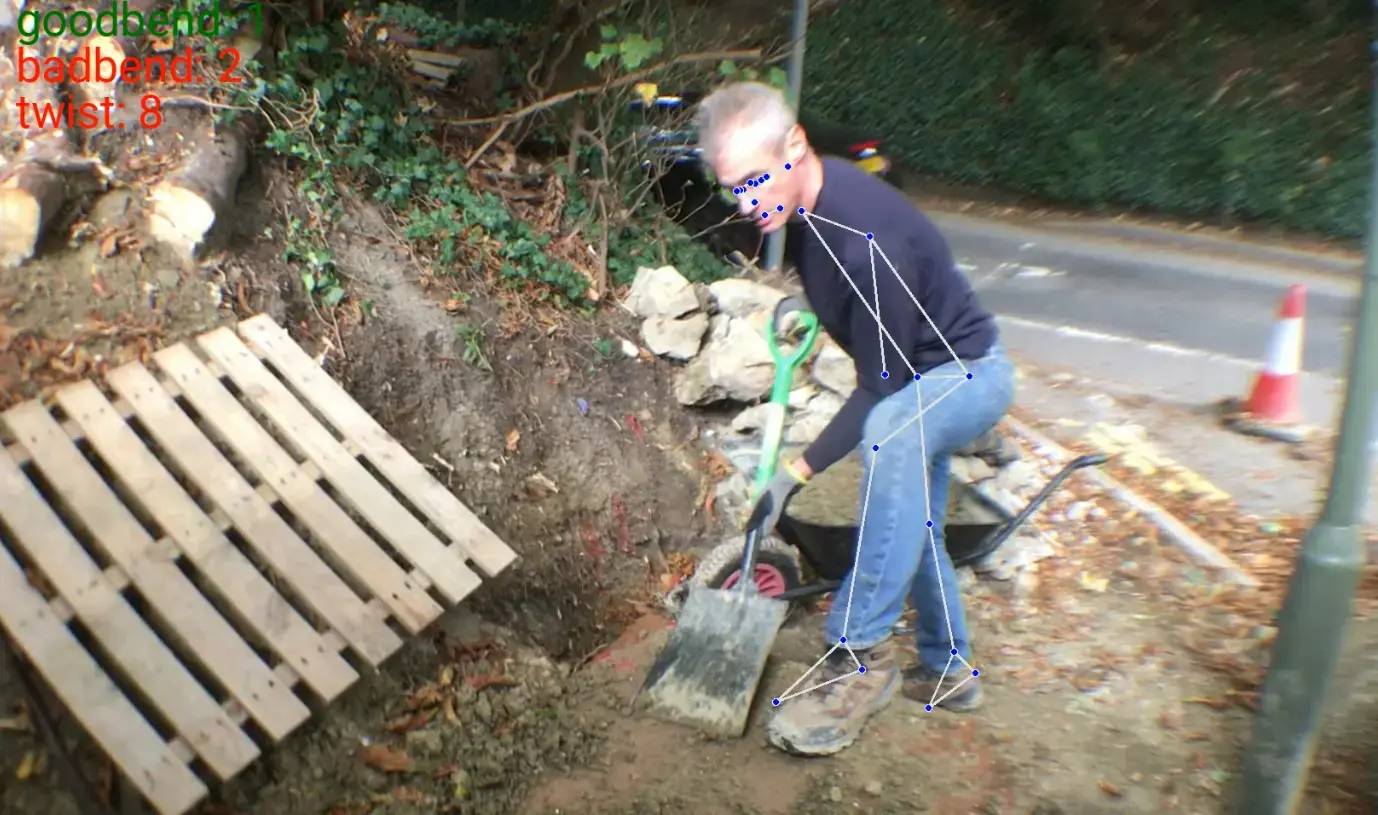
AI-Powered Human Posture Analysis for Workplace Safety
Human Focus International wanted an AI system to analyze worker posture during heavy lifting to identify unsafe behavior and prevent workplace injuries.
Real-time pose analysis. Biomechanical rule engine. Automated ergonomic feedback.
Read the case study
Where we work
Delivered in seven countries, on five continents
Data rules differ by country, and so does what a deployment has to look like. We have built and handed over systems under several of these regimes already.
Our engineering team works from Lahore, one to two hours from the Gulf working day, and we have an office in Austin, Texas. Projects run under NDA from the first call; see security, data handling and IP for how we handle client data.
Gulf
A clinical decision support system for a medical clinic in Riyadh. Saudi rules require government and critical-sector data to be stored and processed inside the country.Europe
Passport verification and identity matching for a client in Cyprus, inside the EU, plus workplace posture analysis and nutrition AI for clients in the UK.Africa
Three projects in South Africa: drone anti-poaching detection, species identification in live safari streams, and the open-source AS-One framework.Asia-Pacific and North America
Cold-chain anomaly detection and a wellness platform in Australia, on-device detection in New Zealand, and PropTech, medical imaging and retail vision work across the US.
What you keep
Your models, your data, your control
Your security team will have questions. Our security page covers NDAs, IP ownership, code and model handover, and the subprocessors this website uses.
Models you own outright
We build custom models that you own, not a seat license to our platform. No recurring per-seat fees, and competitors never get access to your workflow.Data that stays on your servers
A locally deployed model has no reliance on third-party services, so your data doesn't leave your own infrastructure.NDA before the first data share
We sign non-disclosure agreements with all of our clients, and we can do it before the scoping call if you need it.No training on your data without permission
Your documents, images and logs are used only for your project. We don't use them to train anything else unless you explicitly agree.
Getting started
From assessment to a system your team can run
We agree the security constraints and success metrics first, then prove the approach on your own data before anything reaches production.
Step 1: Assessment
Feasibility and architecture
We review your data sources, security rules and the workflow you want to automate, then design ingestion, model serving and network boundaries for your environment.
- NDA on request
- Hardware sized before you buy
Step 2: Proof of concept
4–6 weeks
We select and fine-tune open models that fit your hardware, connect them to your documents, cameras or systems, and benchmark them on your own data.
- Accuracy targets agreed up front
- Private endpoints security-tested
Step 3: Production
Deploy, monitor, retrain
We deploy into your environment, hand over code, model artifacts and runbooks, and can monitor for drift and retrain as your data changes.
- You own the IP
- Raw data stays in your environment
Not sure where private AI fits yet? The AI Opportunity Audit maps your use cases in 3–5 business days. Working with contracts and forms? See document AI, which can run on the same private infrastructure.
Guides from our engineers
Go deeper on private AI
Choosing a model, sizing the hardware, and what each deployment option actually protects against.
- Which Open-Weight LLM Should You Self-Host?Technical
- What GPUs Do You Need to Self-Host an LLM?Hardware
- RAG or Fine-Tuning? The Wrong Answer Is ExpensiveDeep dive
- What Does It Cost to Run Your Own LLM?Cost
- Air-Gapped, Private Cloud or Sovereign Cloud: Which Do You Need?Architecture
- Deploy an Open-Weight LLM on Your Own Server with vLLMTutorial
- Self-Hosted Coding Assistants: What Works Air-GappedGuide
- Data Residency Rules That Shape AI Projects in 2026Regulation
- On-Premises vs Cloud Computer Vision Deployments – An Enterprise GuideDeep dive
FAQ
Questions security and IT teams ask
Need the details on NDAs and IP? Read our security page.
In the environment you choose. For air-gapped and on-premises deployments, the models run on your servers and your data never leaves them. For private VPC deployments, everything stays inside your own cloud account and region. When we provide ongoing monitoring, we only look at performance metrics and system logs; raw data stays in your environment.
We choose the model per use case, based on accuracy, license terms and the hardware you have. PharmaBrain, for example, runs Mixtral 8x7B, a 46.7B-parameter mixture-of-experts model, with 8-bit quantization entirely on local servers. We also work with other open-weight model families such as Llama, Mistral, Qwen and DeepSeek, and with custom computer vision models (for example YOLO-based detectors) for image and video workloads.
It depends on the model size, the number of users or video streams, and your latency target. Quantization lowers memory needs: 8-bit quantization is what let PharmaBrain answer in 5 to 7 seconds on local hardware. For edge vision, we typically deploy on NVIDIA Jetson Orin modules and can also optimize for Jetson Xavier NX. We size the hardware with you during the assessment, before you buy anything.
Yes. Our managed services cover monitoring, drift detection, retraining and scaling. Edge devices receive new models through secure over-the-air update pipelines. For air-gapped sites, we agree on an update path that follows your change-control and network rules.
You do. We build custom models that you own outright, so there are no per-seat licenses and no lock-in to a hosted platform. We also sign an NDA with every client. See our security, data handling and IP page for details.
Related
Keep exploring
- LLMs & agentsPrivate knowledge assistantAn internal assistant that answers from your own documents, with citations, on hardware you control.
- LLMs & agentsPrivate coding assistantA self-hosted coding assistant for teams whose source code cannot leave the network.
- LLMs & agentsOpen-weight model fine-tuningAdapt open models to your domain on your own infrastructure, and keep the weights.
- LLMs & agentsAI data residencyHow localisation rules shape an AI deployment, and how to architect inside them.
Book a strategy session
Book a private AI assessment
Tell us what you want to run privately, where your data lives and any regulations you work under. An engineer will reply within one business day, under NDA if you need it, and recommend a deployment option and hardware approach.
- Send the form, it takes 2 minutes
- We reply within 1 business day, under NDA if you need it
- A 30-minute call to scope feasibility and next steps