Listing image intelligence
Property Image Tagging Solutions
- Scene and room classification
- PII and MLS compliance checks
- Tags for search filters
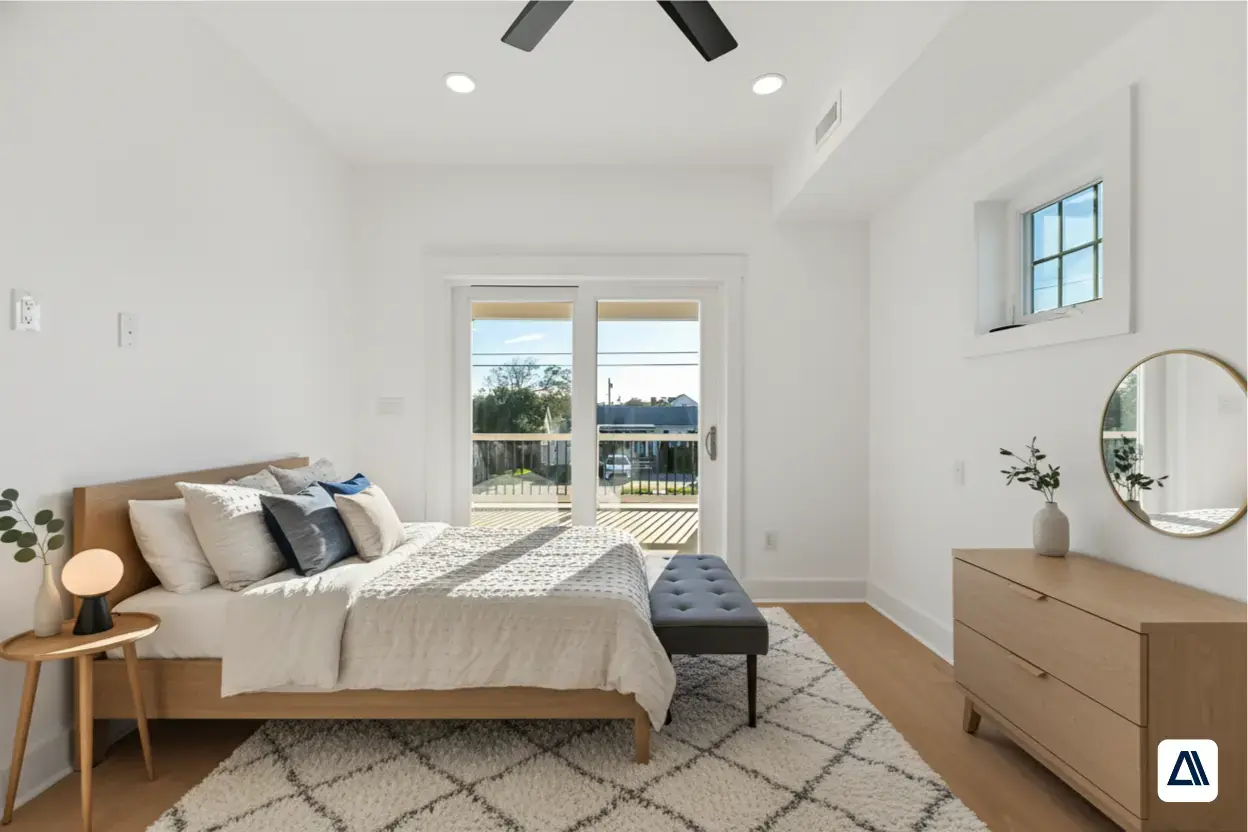
1/4A broker uploads a listing photo. It is checked the moment it arrives, before it reaches the portal.
Case study · PropTexx
Millions of listing photos a month, checked in about 250 ms each
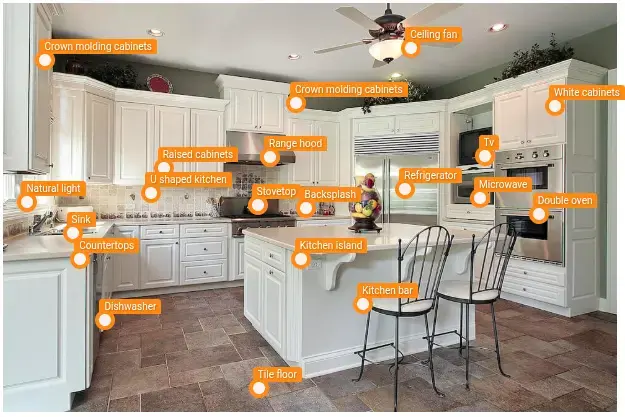
PropTexx needed to enforce listing compliance and pull useful data out of millions of broker photos without slow manual review. We built a distributed pipeline of fine-tuned YOLO detectors and semantic segmentation models that classifies rooms, inventories amenities and flags privacy violations.
- Property features tagged automatically
- 50+
- Compliance violation types detected
- 15+
- Processing time per image
- ~250ms
- Lift in buyer click-through rate
- 15%
Why portals automate it
Listing photos are your most valuable, least structured data
Marketplaces take in huge volumes of broker photos. Without automation, reviewers miss hidden watermarks and house numbers, and search filters never see what is actually in the pictures.
Slow, costly moderation
Manual review is expensive, slow and inconsistent at high upload volumes.Privacy exposure
Faces, license plates, house numbers and documents slip into public listings.MLS rule violations
Broker logos, agent watermarks and contact details break listing rules.Weak search
Kitchen islands, fireplaces and pools stay hidden in pixels instead of powering filters.
| Topic | Manual photo review | Automated image intelligence |
|---|---|---|
| Speed | Photos wait in a moderation queue | About 250 ms per image, checked as users upload |
| Consistency | Depends on the reviewer and the day | The same rules applied to every photo |
| Coverage | Spot checks on a sample of listings | Every photo classified, tagged and checked |
| Search data | Features typed in by agents, if at all | Structured tags generated from the images themselves |
How it works
One photo in, structured listing data out
A set of specialist models runs on each image, and the results are merged into one record your platform can act on.
- Stage 1
Ingest at upload or in bulk
Photos arrive through an API call from your upload flow, or in batches when you migrate an existing listing database.Queued imagesJPEGTIFF360° panoramas - Stage 2
Classify scene and room
Each photo is labelled by scene (exterior, interior, aerial) and room type (kitchen, primary bedroom, pool and so on).Scene and room labels - Stage 3
Detect features and amenities
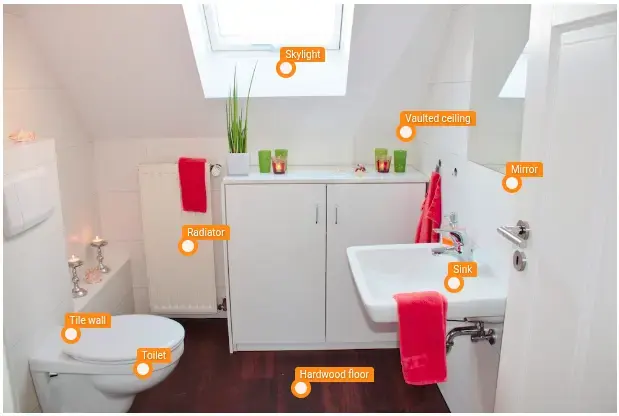
Fine-tuned detectors and segmentation models locate high-value features such as kitchen islands, stainless appliances and fireplaces.Feature tags with locationsYOLO detectorsSemantic segmentation - Stage 4
Check compliance and privacy
Compliance models look for broker logos, agent watermarks and contact details, and PII models find faces, license plates and house numbers to blur.Flags and redactions - Stage 5
Match against existing listings
Visual hash matching compares new photos with other listings to catch duplicated or fraudulent uploads.Duplicate alerts - Stage 6
Return a listing-ready record
Tags, quality signals and compliance results go back to your platform, mapped to your own rule set, so a photo is published, redacted or sent back with a reason.Structured JSON via API
Use cases
What listing platforms build with it
Custom computer vision models for the real estate image problems portals and brokerages actually have.
Scene and room classification
- Scene and room type labels
- High-resolution TIFF and JPEG
- Bulk database migration

PII detection and redaction
- Supports GDPR and CCPA privacy programs
- Blurring at upload
- Several PII types detected per photo

Automated MLS compliance checks
- Broker logo and watermark detection
- Photo quality scoring
- Your own rule set, not a generic one

Feature and amenity extraction
- Automated SEO tagging
- Condition analysis
- Amenity inventories

Duplicate listing detection
- Visual hash matching
- Scans across listings
- Fraud prevention

Integration
Runs inside your upload flow
The models are built for your marketplace rules and deployed where your images already live.
- API deployment with logic mapped to your rule set
- Continuous fine-tuning based on your moderators' feedback
- Pairs with AI virtual staging for vacant listings
- Inspection use cases covered in our AI property inspection guide
Real-time API
Tag and check photos as users upload, before listings go live.Bulk backfill
Run your historical listing database through the same models.Your taxonomy
Tags and violation types follow your portal's labels and rules.Private deployment
Deploy in your own cloud when images must stay in your environment.
Getting started
Build and test on your own photos
We start from your images and your compliance requirements, not a generic model.
Step 1: Data audit
Scoping
We analyze a sample of your images, your tag taxonomy and your compliance requirements.
- NDA on request
Step 2: Proof of concept
4–6 weeks
Custom-trained models measured on a held-out sample of your own photos, with accuracy reported before production.
- Accuracy measured on your data
Step 3: Integration and tuning
Ongoing
API deployment into your upload flow, then continuous fine-tuning from marketplace feedback.
- You own the models
Want a broader view first? Book an AI Opportunity Audit or see all real estate AI solutions.
FAQ
Questions, answered
Common questions about our real estate visual intelligence solutions.
Need custom models beyond real estate? See custom computer vision.
Accuracy depends on your image data and label set, so we measure it on a held-out sample of your own photos during the proof of concept and report it before production. We fine-tune each model on your specific image data to account for regional architectural styles.
Yes. Our PII redaction engine is specifically engineered to detect house numbers, license plates, faces, and even sensitive documents visible in interior photos, helping you meet your GDPR and CCPA obligations.
Yes. Our computer vision pipelines support various formats including standard JPEG, high-resolution TIFF, and 360-degree equirectangular panoramas commonly used in virtual tours.
A typical proof of concept takes 4–6 weeks. This includes data audit, custom training on our real estate vision foundation, and API deployment.
Related
Keep exploring
- PropTechAI virtual stagingPhotorealistic staged listing photos that keep the room's real architecture.
- PropTechAI property valuationValuation and forecasting models that combine listings, images and layouts.
- Computer visionComputer vision for real estateProperty photos, inspections and layouts analysed at scale.
- IndustriesAI for real estateStaging, image tagging, valuation and document AI for brokerages and PropTech platforms.
Book a strategy session
Talk to an AI engineer about your project
Tell us what you want to automate. The first call is a 30-minute working session with an engineer, not a sales pitch.
- Send the form, it takes 2 minutes
- We reply within 1 business day, under NDA if you need it
- A 30-minute call to scope feasibility and next steps