On-demand engineering teams
Hire Dedicated Computer Vision Developers
- You interview before anyone starts
- PyTorch, YOLO, TensorRT, CUDA
- NDA signed, IP stays yours
- Stack
- PyTorch · YOLO · TensorRT
- Problem
- Small-object detection on video
- Target
- NVIDIA Jetson in the field
- Works with
- Your tech lead and sprint board
1/4We look at your stack, the model problem and the timeline, and agree the engineering profile you need.
Two ways to work
A whole team, or one more engineer
Hand over a build, or add vision expertise to the team you already have.
Dedicated managed team
We assemble the architect, developers and MLOps engineers and run delivery end to end.Best for a full buildSee project deliveryStaff augmentation
Engineers slot into your existing team and report to your tech lead.Best for an in-house roadmapOr start with consulting
How matching works
Screened on the skills your project needs
No generic CV pile. The technical screen is built from your stack and your model problem.
- 50+ AI engineers and specialists
- Reply to new enquiries in 1 business day
- Your interview is the last gate
- Stage 1
Scope the profile
We go through your stack, the model problem, the target hardware and your timeline, and agree which roles you actually need.Agreed engineering profile - Stage 2
Technical screen by our AI leads
Candidates are challenged on the real work: fine-tuning detectors, writing training loops, and squeezing models onto constrained hardware.Shortlist you can interviewYOLO fine-tuningCUDATensorRT - Stage 3
You interview and decide
You meet the shortlisted engineers, review past work and check team fit. Nobody joins your project without your sign-off.Your choice, your call - Stage 4
Onboard into your sprints
NDA and IP terms first, then Slack, Git access and sprint tickets. They start from your data and your current baseline.Working in your first sprint
What they work with
The tools already in your pipeline
Training, optimisation and deployment across cloud and edge hardware.
Deep learning frameworks
- PyTorch
- TensorFlow
- ONNX Runtime
- Keras
Vision models
- YOLO (v5–v11)
- Vision Transformers
- SAM
- Florence-2
- Qwen-VL
Hardware acceleration
- NVIDIA CUDA
- TensorRT
- DeepStream SDK
- OpenVINO
- Core ML
Image processing
- OpenCV
- NumPy
- scikit-image
- Albumentations
MLOps and data
- Docker
- Kubernetes
- CVAT
- Roboflow
- MLflow
- Weights & Biases
Languages
- Python
- C++
- TypeScript
- Bash
What these teams have built
Work our engineers have shipped
 Open Source AI InfrastructureComputer Vision
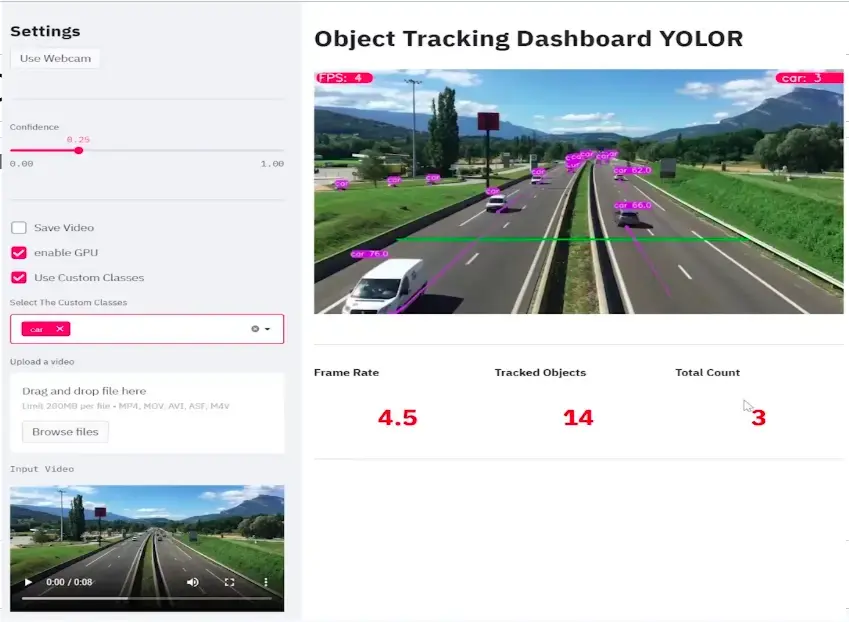
AS-One: Unified Computer Vision Framework for Rapid AI Development
Augmented Startups wanted to simplify how developers experiment with modern computer vision models by unifying multiple detection and tracking frameworks into a single Python interface.
- GitHub stars on AS-One
- 580+
- Detector versions behind one API
- YOLOv5–v9
 Sports AI & Mobile Computer VisionComputer Vision
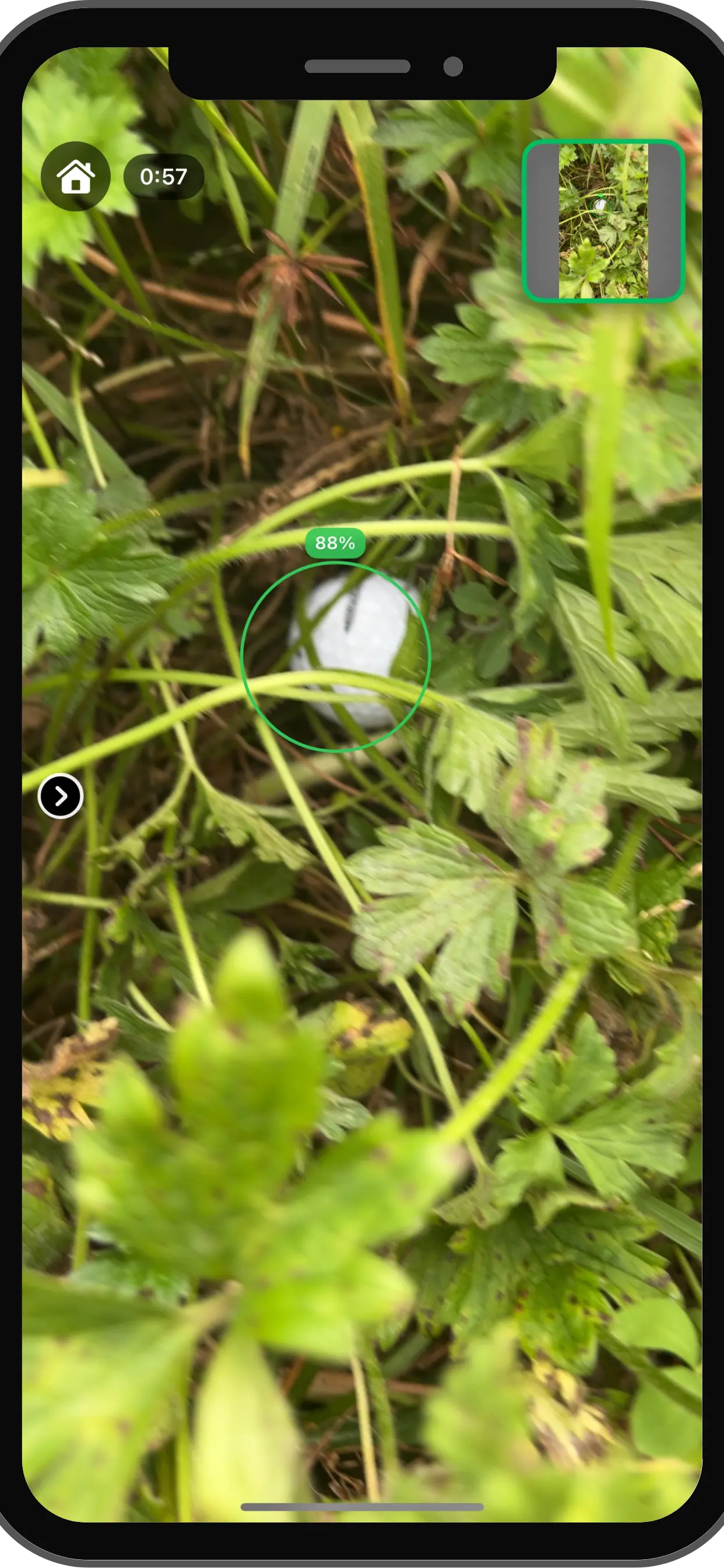
Find My Ball: Real-Time AI Golf Ball Detection on Mobile Devices
FMB wanted to build a mobile app that could automatically detect lost golf balls using the phone camera to help golfers quickly locate balls in challenging terrain.
- On-device inference time
- <30ms
- Detection recall
- 92%
 Identity Verification & KYC AutomationIntelligent Document Processing
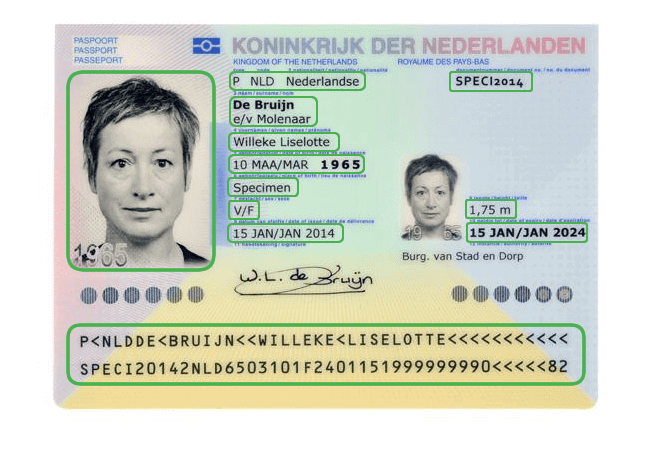
AI-Powered Passport Verification and Identity Matching
BMedia needed a fast, automated identity verification (KYC) system to replace slow manual passport checks and prevent fraud.
- Data extraction accuracy
- 98%
- End-to-end KYC verification
- <5s
Our engineers also maintain AS-One, an open-source framework with 580+ GitHub stars.
Embedded and edge
Engineers who ship to real hardware
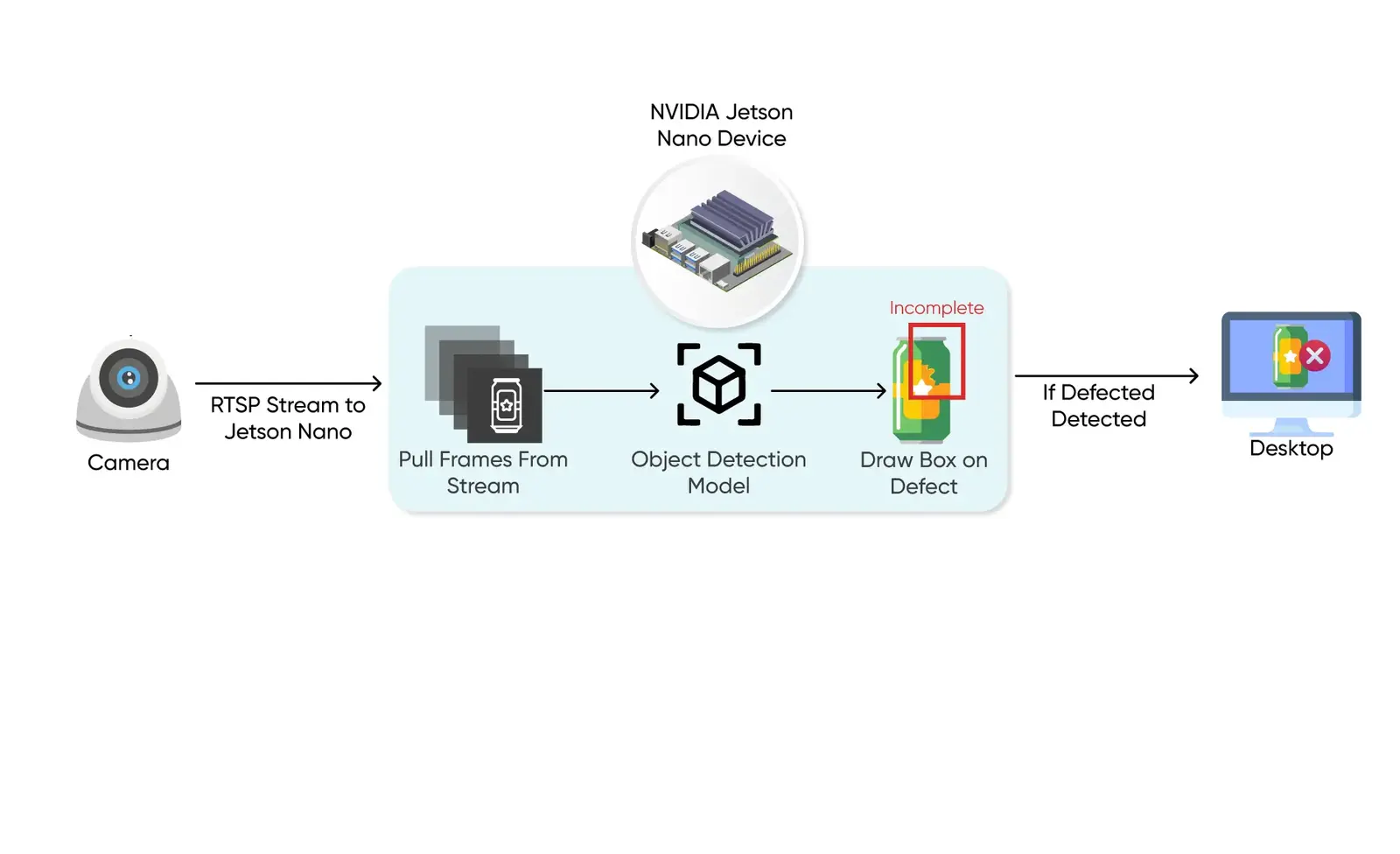
Getting a model onto a Jetson board at the right frame rate is its own discipline.
- TensorRT export and quantisation
- Board selection against your frame rate
- Dockerised updates across a device fleet
How we work with you
Inside your team, backed by ours
Your process stays yours. Our AI leads stay accountable for the engineering.
Your standups
Daily standups, your sprint board, your tech lead.Reviewed by AI leads
Architecture and code reviewed beyond your own review.Written handover
Retraining steps and pipeline docs stay in your repo.- Security and IP
NDA and IP
Code, configs and weights are yours.
Getting started
From a call to a first sprint
Step 1: Scoping call
30 minutes
Your stack, the model problem and the roles you need, agreed in writing.
- NDA on request
Step 2: Interview the shortlist
Your schedule
Meet pre-vetted engineers and pick the ones you want on the project.
- You decide who starts
Step 3: First deliverable
4–6 weeks
Onboarded into your sprints, working towards a first model or feature.
- IP assigned to you
FAQ
Questions, answered
What engineering leaders ask before a first interview.
Not sure a team is the right shape? Start with a consulting engagement.
Computer vision architects, senior computer vision developers, and MLOps and edge specialists. A typical team pairs one architect with one or two developers and an edge or MLOps engineer, but you can hire a single engineer if that is what the project needs.
Our own AI leads run the technical screen, covering the skills the project actually needs: YOLO fine-tuning, CUDA and TensorRT optimisation, training pipelines and OpenCV work. You then interview the shortlisted engineers yourself before anyone starts.
Yes. They join your Slack, your Git repositories and your sprint board, attend your standups and report to your tech lead. Our AI leads review their code and architecture decisions alongside your own review process.
You do. Source code, model configurations and trained weights produced for you are your intellectual property, and every engagement runs under an NDA.
Hiring engineers puts our people inside your team, working to your roadmap. If you would rather hand over a defined problem and receive a working system, see our custom computer vision models service or our computer vision consulting engagement.
We scope the profile on a first call, then put forward pre-vetted engineers for you to interview. A first working model or proof of concept usually takes 4–6 weeks once the team is in place.
Yes. Deploying to NVIDIA Jetson, mobile and industrial hardware is a core part of what our engineers do, including TensorRT export, quantisation and fleet updates. Our edge deployment service covers the same ground as a managed project.
Related
Keep exploring
- Computer visionAI consultingFeasibility, architecture and build-or-buy advice from engineers.
- Computer visionCustom computer vision modelsModels trained on your own images, video and edge cases.
- Computer visionManaged AI servicesMonitoring, retraining and support for models in production.
- CompanyAbout AxcelerateAIThe engineering team behind the work, and how we operate.
Case studies
Book a strategy session
Talk to an AI engineer about your project
Tell us what you want to automate. The first call is a 30-minute working session with an engineer, not a sales pitch.
- Send the form, it takes 2 minutes
- We reply within 1 business day, under NDA if you need it
- A 30-minute call to scope feasibility and next steps