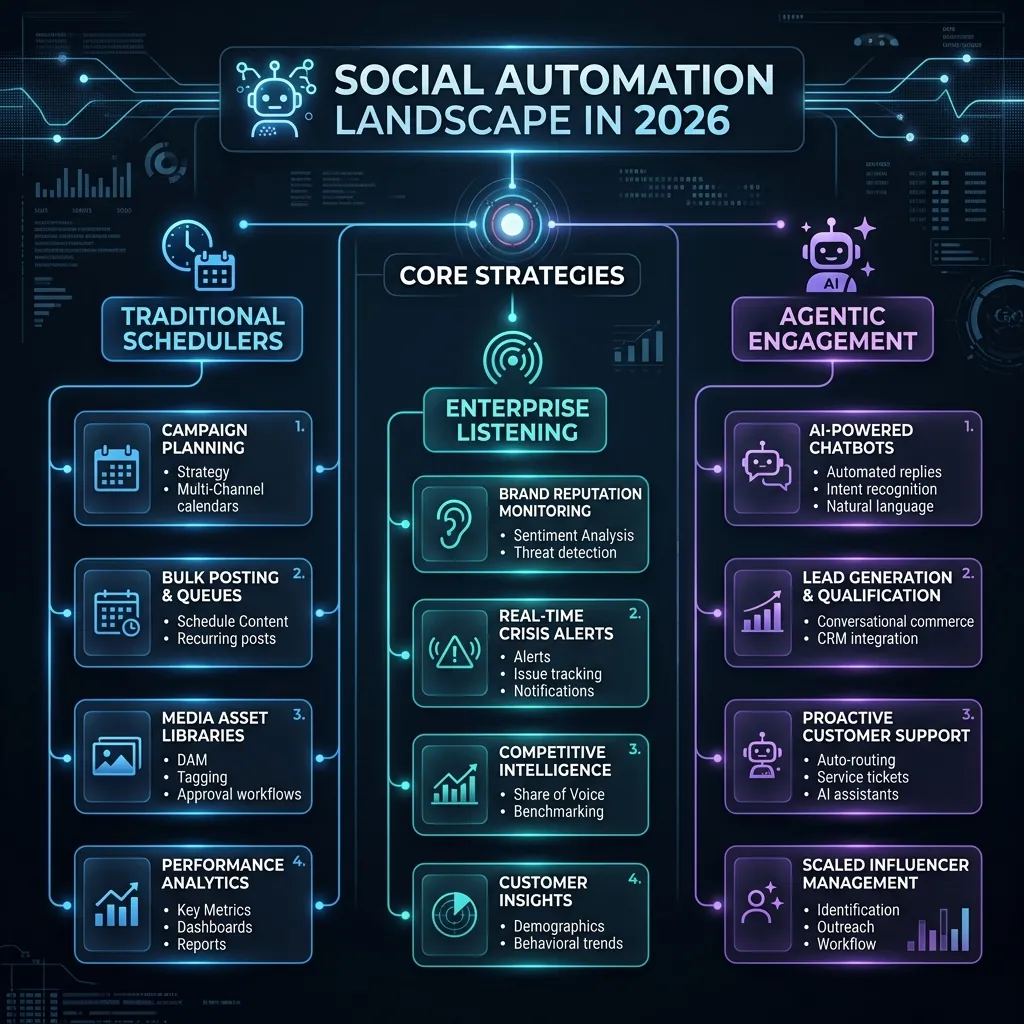
Language models made it trivially easy to generate a reply to any social post. That is precisely the problem. The internet is now full of fluent, generic, faintly promotional replies, and communities, moderators and platforms have become very good at spotting and removing them.
Automated engagement still works. It works when it is held to a standard that most automated engagement ignores. This piece sets out that standard.
What makes a reply spam
Spam is not defined by whether a machine wrote it. It is defined by how the reply relates to the conversation. A reply reads as spam when it is:
- Generic: it could be pasted under any post on the topic, unchanged.
- Unrequested: nobody in the thread asked for a recommendation.
- One-sided: it promotes without answering the question.
- Undisclosed: it hides that the author works for the product mentioned.
- High-volume: the same account posts near-identical replies across many threads in a short period.
Each of these is a choice made upstream of the text itself. Fixing them is mostly a matter of deciding which posts to reply to, not how to phrase the reply.
Rule one: reply to fewer posts
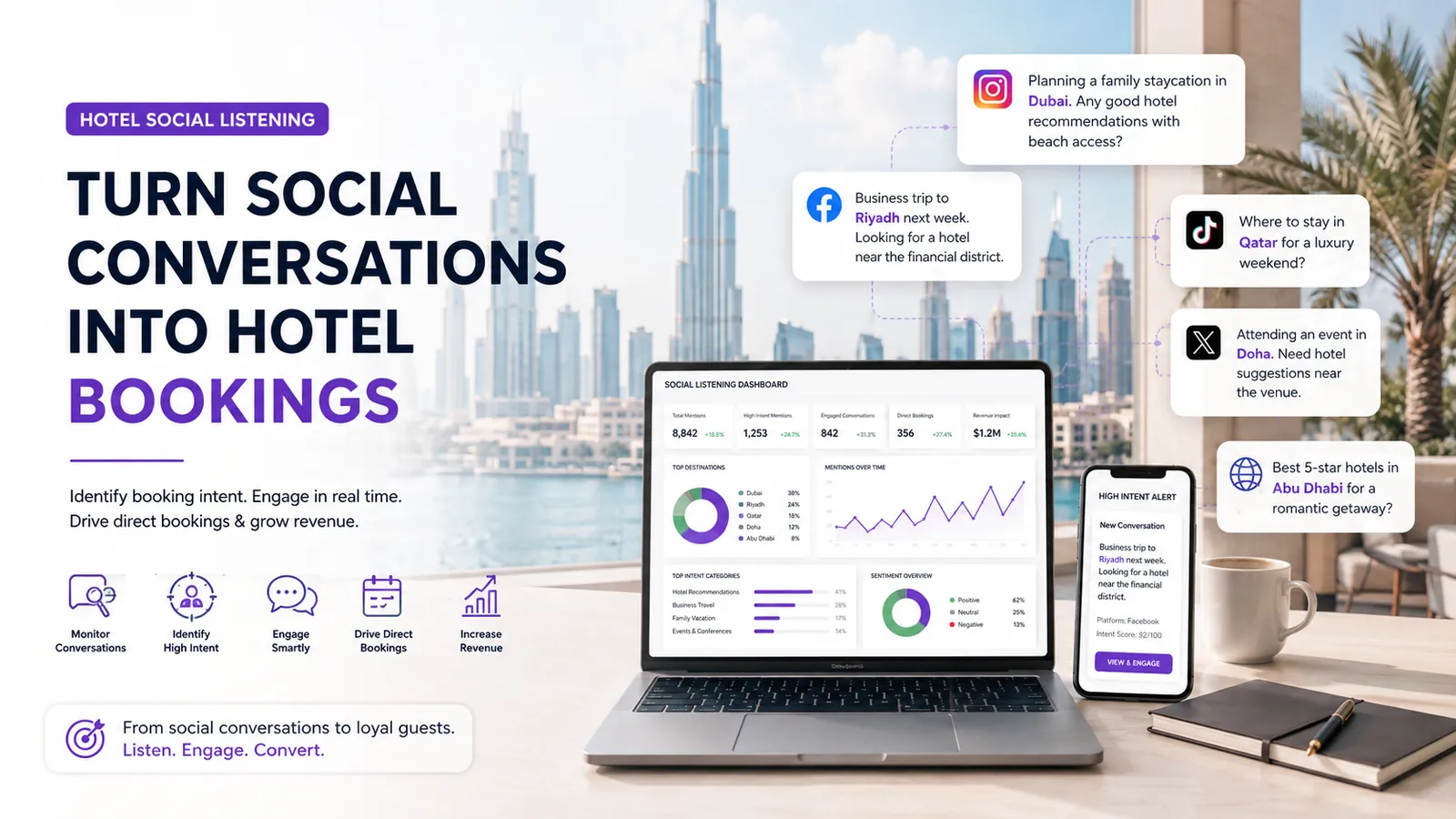
The most effective quality control is selection. A listening system that classifies intent can separate the posts where a reply is welcome (recommendation requests, alternatives threads, direct questions) from the ones where it is not (venting, news, satisfied customers, jokes).
Replying only where someone asked, or where the reply is genuinely useful, removes most of the spam risk before a word is generated. Why keyword-based systems struggle with this is covered in why keyword alerts miss buying intent.
Rule two: be specific to the post
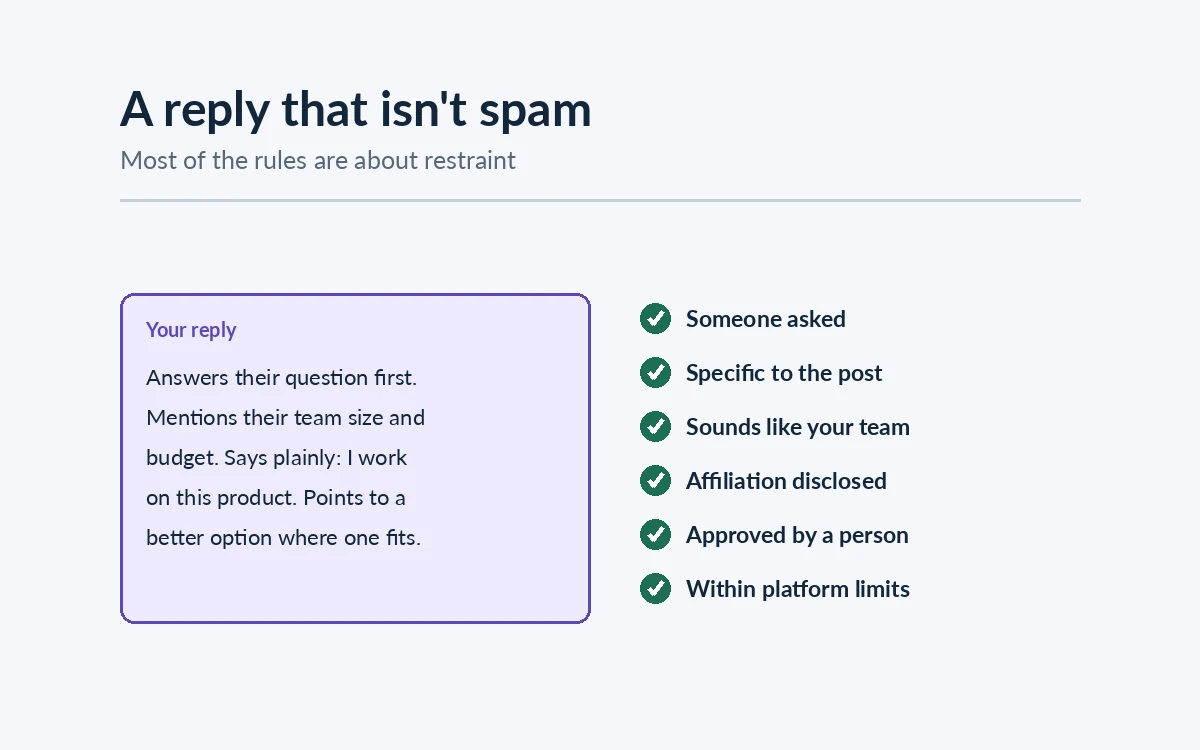
A good reply refers to what the author actually said: their team size, their budget constraint, the feature that broke, the tool they are leaving. It answers their question before it mentions any product.
Generation helps here, because a model can tailor each reply to the post in front of it. The failure mode is a prompt that produces a templated pitch with the author's words dropped in. A useful check: if the product mention were deleted, would the reply still help the reader? If not, it is an ad.
Rule three: sound like your brand, not like a model
Model-default prose is recognisable: enthusiastic, hedged, oddly formal, fond of certain phrases. Readers notice it immediately.
Brand voice training addresses this by grounding generation in material that already sounds like you: past replies your team wrote, your marketing copy, your brand guidelines. The goal is not just tone but judgement: what your team would and would not say, how direct it is, whether it uses humour.
Rule four: disclose, always
Every reply that mentions your product should make clear that the author works for it. "Full disclosure, I work on [Product]…" is the norm on Reddit, expected on most platforms, and required by many communities' rules.
Undisclosed promotion that is later discovered does far more damage than a disclosed reply ever could. It also tends to be discovered.
Rule five: keep a person in the loop
Automation should draft; at least at first, a person should approve. Human-in-the-loop review catches the failures generation cannot see from inside the text: a thread that is actually about a tragedy, a post that is sarcastic, a community with a strict no-promotion rule, a reply that is technically accurate but tone-deaf.
As confidence builds, low-risk categories (answering a direct question about your own product, for instance) can be allowed to publish automatically, while anything mentioning a competitor or a sensitive topic stays in the approval queue. That is a decision to make category by category, not all at once.
Rule six: respect the platform
Each platform has terms of service, API guidelines and rate limits, and each community on it may have its own rules. Engagement has to follow all of them:
- Use official APIs and stay within their rate limits.
- Pace replies so an account does not produce bursts of near-identical activity.
- Read community rules before replying in a new subreddit or group, and honour self-promotion restrictions.
- Back off when a community signals that a reply was unwelcome.
Breaking these rules risks more than a removed comment. It risks the account itself, which is often worth far more than any single conversation.
A quick checklist before anything posts
- Did someone ask, or is this reply genuinely useful to the thread?
- Does it answer the question before mentioning a product?
- Is it specific to this post, rather than reusable anywhere?
- Does it sound like our team rather than a model?
- Does it disclose the affiliation?
- Is it honest about fit, including when another option is better?
- Does it respect this community's rules and the platform's limits?
A reply that passes all seven is not spam, whoever wrote it.
Related reading
For where to apply these rules, see finding buying signals on Reddit and turning competitor complaints into customers. For the comparison between schedulers, listening tools and engagement agents, see which social media automation tool to use.
How AxcelerateAI Helps
AxcelerateAI's social engagement system is built around these rules:
- Intent classification first, so replies go where they are welcome.
- Brand voice training on your past interactions, marketing materials and guidelines.
- Human approval or auto-publish, chosen per your comfort, and engagement that follows each platform's API guidelines, rate limits and terms of service.