Restaurant AI
Industry IntelligenceCan AI Improve Kitchen Operations?
How Computer Vision is transforming restaurant management from manual supervision to automated visual intelligence.
AxcelerateAI Engineering Team · Updated
Watch It In Action
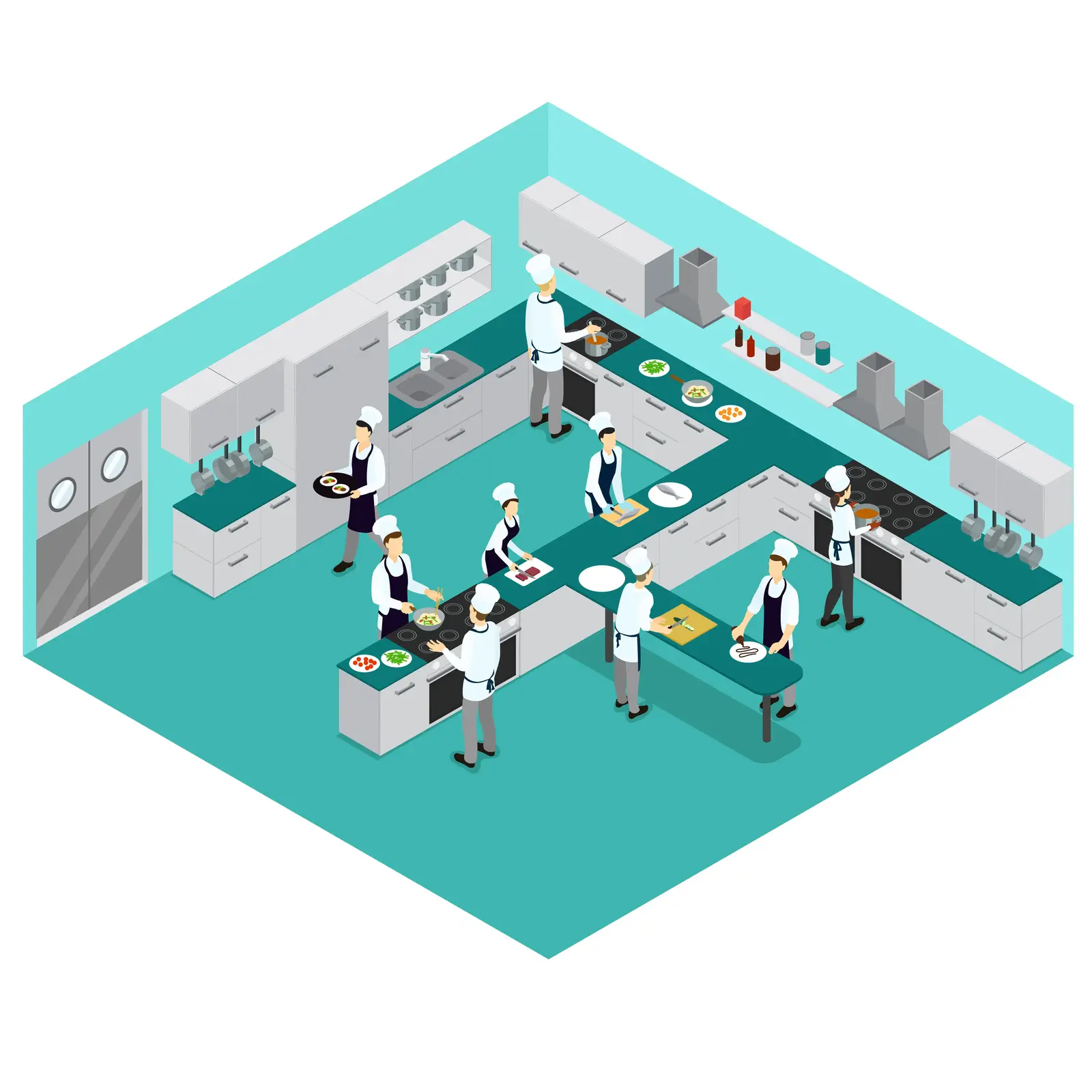
Automatic Monitoring of Kitchen Operations using AI
Restaurants operate in one of the most demanding operational environments. Kitchen managers must simultaneously manage food safety, productivity, speed, and inventory.
Recent advances in computer vision and AI-powered video analytics are enabling restaurants to automate monitoring, gain operational insights, and improve service quality. AxcelerateAI builds the production pipelines that make this "Smart Kitchen" possible, from custom computer vision models to edge deployment on in-store hardware, using libraries such as our open-source AS-One framework.
System Architecture
- Cameras
- Stream Engine
- AI Models
- Analytics
AI Impact Areas
Automating every high-stakes interaction in the back and front of house. Hygiene and PPE checks use the same detection approach as our computer vision safety monitoring.
Compliance Monitoring
Real-time hygiene and protocol tracking to support regulatory alignment.
- Glove & Mask Detection
- Handwashing Duration tracking
- Cross-contamination alerts
Preparation Speed
Measuring order lifecycle from POS entry to kitchen prep and delivery.
- Preparation bottlenecks identified
- Real-time kitchen load analysis
- Queue-to-counter latency stats
Fraud Prevention
Syncing kitchen output with POS data to identify discrepancies.
- POS vs Reality audit
- Cash manipulation detection
- Missing order alerts
Service Quality
Monitoring dining area health and staff interaction standards.
- Dirty table detection
- Customer wait time at POS
- Staff responsiveness metrics
Waste & Inventory
Automated tracking of ingredient usage to reduce operational loss.
- Waste bin analysis
- Stock movement monitoring
- Theft prevention in storage
Peak Operations
Predicting wait times based on live drive-thru and lounge traffic.
- Dynamic staffing alerts
- Wait time predictions
- Congestion heatmaps
Actionable Dashboards
Our operational intelligence dashboards aggregate every visual insight into a centralized control room for management.
- Compliance Score98.4%
- Avg. Wait Time3.2m
- Revenue Leakage-14%
Illustrative dashboard values, not client results.
Store overview
IllustrativePrep time
Compliance
Orders per day
Ready to Automate Your Operations?
AxcelerateAI designs and deploys custom restaurant intelligence systems that work across single stores and multi-location chains.
Partner With UsTalk to an engineer
Talk to an engineer about your project
Planning a computer vision system or a private, on-premises AI deployment? Tell us what you're building and an engineer will reply within one business day.
- Replies from an engineer, not a sales rep
- Within one business day
- NDA available on request
Computer Vision & Private AI
Related capabilities and further reading
Related deployment services and engineering guides.
 Service
Computer Vision Development Services
Custom detection, segmentation and tracking systems, from proof of concept to production.
See the page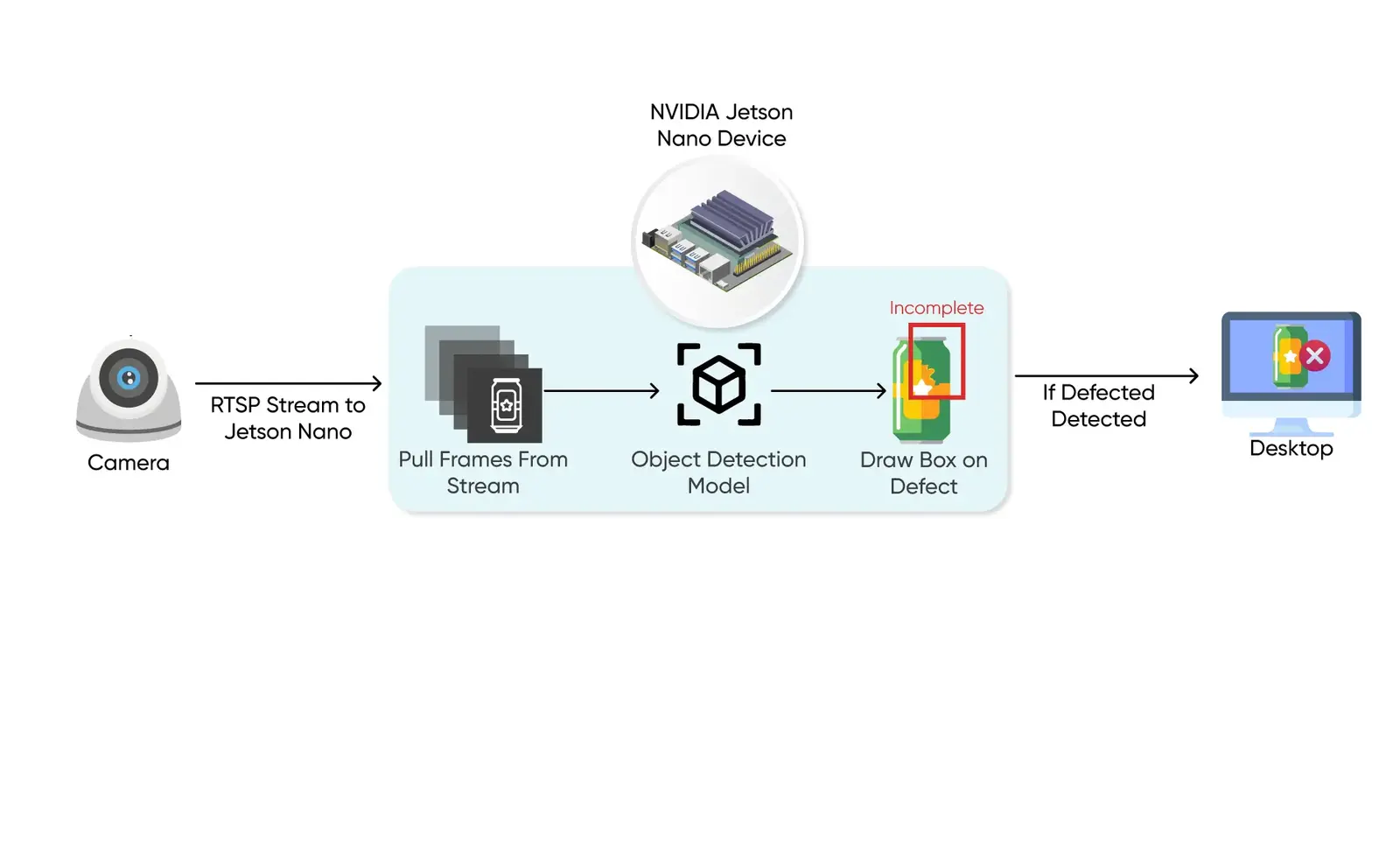 Service
Computer Vision Edge Deployment
Run optimized vision models on Jetson and on-premises hardware for low latency and data that stays on site.
See the page Edge AI
Edge AI vs Cloud AI for Computer Vision
Latency, bandwidth, privacy and cost trade-offs, and when hybrid makes sense.
Read the guideWhere we build this
Explore further
Related work and services
The pages where we build what this article describes, and a project we shipped with it.
CV Development Services
The engineering service behind this work, from scoping to a production deployment.
View serviceSolutionCustom AI solutions
We build AI systems around your own data, workflows and deployment constraints.
Explore servicesCase studyAI Property Image Intelligence for Listing Optimization & Compliance
Processed millions of images monthly. Automatically tagged 50+ property features and enforced compliance in under 250ms per image.
Read case study